Author: Michael Brescia
-
Climate Adaptation in 2026
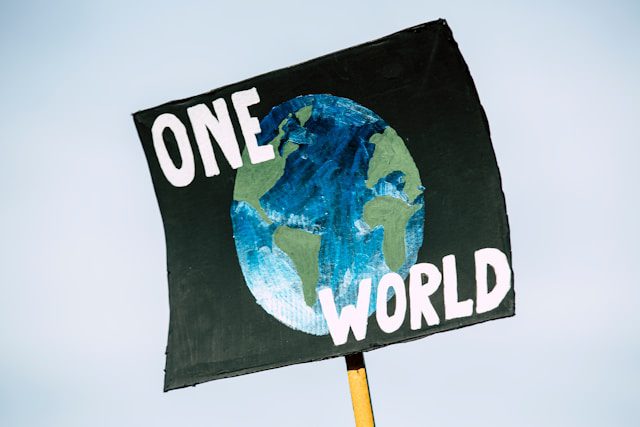
As climate hazards intensify, communities and policymakers are increasingly focused on adaptation measures designed to help societies withstand the impacts of rising temperatures, more frequent extreme weather, and shifting environmental conditions. In the following article, Michael W. Brescia highlights several models that have shown promise, ranging from nature-based defenses to social safety nets that protect…
-
UAE is Expanding Restrictions on Plastic Products
The United Arab Emirates is moving forward with an ambitious series of policies aimed at reducing plastic waste by eliminating single-use plastic products across the country. As part of an expanded environmental strategy, federal authorities have reinforced and broadened a nationwide ban that builds on earlier emirate-level measures targeting plastic bags and other disposable items.…
-

The Role of Farmers and Ranchers in Wildlife Habitat Preservation
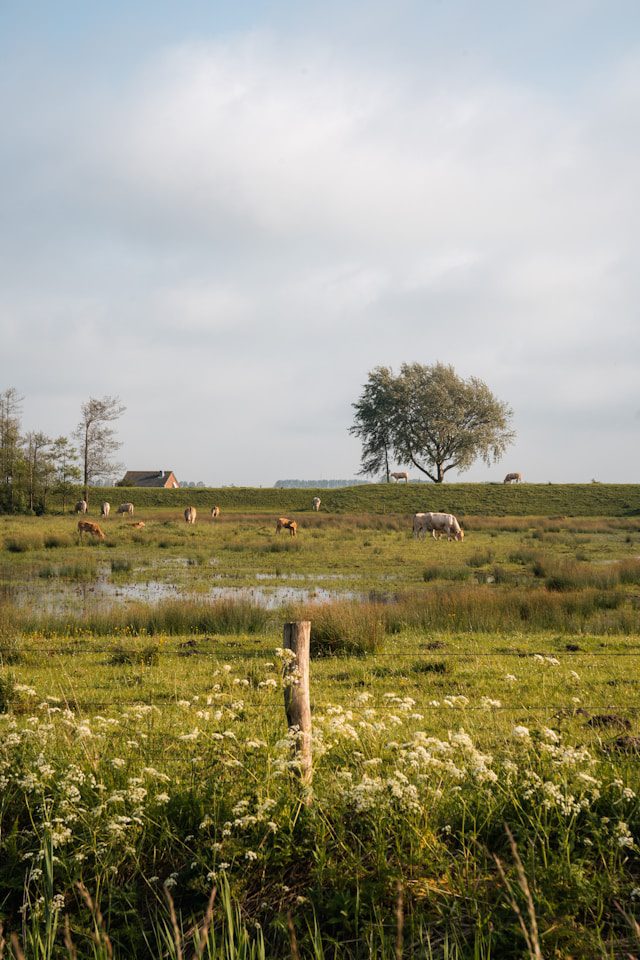
Wildlife conservation often brings to mind national parks, wildlife refuges, and government-protected areas. Yet across North America, farmers and ranchers play an equally critical role in maintaining habitats for a wide array of species. With more than 900 million acres of farmland and rangeland in the United States, private lands make up a significant portion…
-
The Most Endangered Ecosystem in North America
When considering endangered ecosystems, forests, wetlands, and coral reefs often dominate public awareness. Yet one of North America’s most vital and imperiled ecosystems quietly struggles for survival: the grasslands. These vast expanses once stretched across millions of acres, shaping the continent’s climate, biodiversity, and agricultural systems. Today, grasslands are among the most endangered ecosystems on…
-
Pollinator Decline and What It Means for U.S. Food Systems and Ecosystem Health
Pollinators are critical to the functioning of natural ecosystems and agricultural production. In the United States, bees, butterflies, moths, beetles, birds like hummingbirds, and even some bats provide essential pollination services. Scientists estimate that pollinators contribute to the reproduction of nearly three-quarters of the world’s flowering plants and are vital to the production of about…
-
The Species That Are Rebounding After Decades of Decline
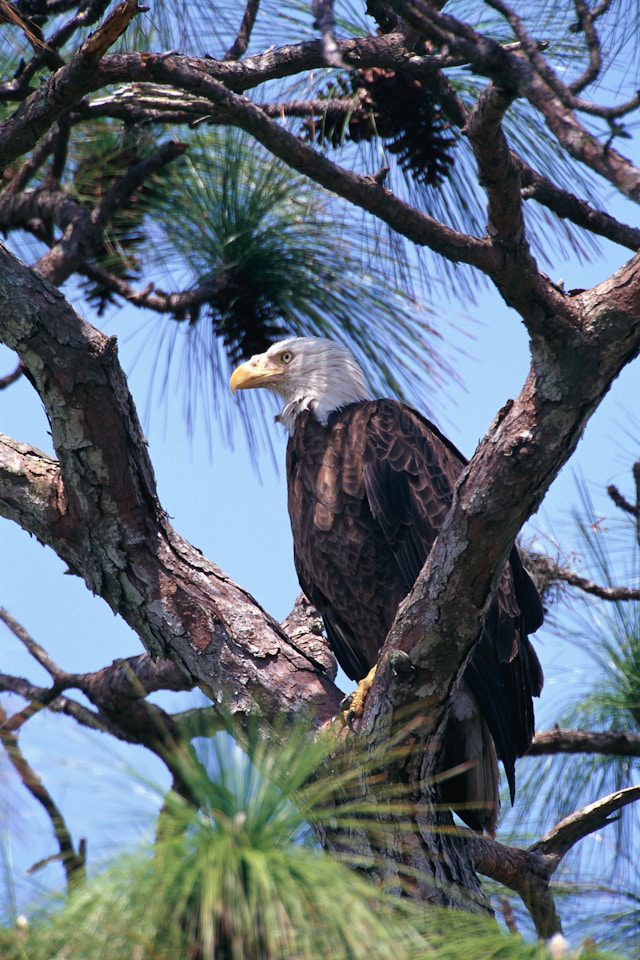
For decades, conservationists have sought to reverse the loss of biodiversity that has defined the modern era. While challenges such as habitat destruction, pollution, and climate change continue to threaten wildlife, there are also inspiring success stories. A growing number of species once teetering on the brink are now making measurable recoveries – proof that…
-
How Bureaucracy, Funding, and Policy Shape Conservation Outcomes
Federal lands account for roughly 28% of the total land area in the United States, encompassing national parks, forests, wildlife refuges, and other public lands. These lands are critical for biodiversity conservation, climate regulation, recreation, and cultural heritage. Yet the stewardship of these areas is shaped not only by ecology but also by a complex…
-
Creating Habitat Along Migration Routes – Monarch Butterfly Corridors
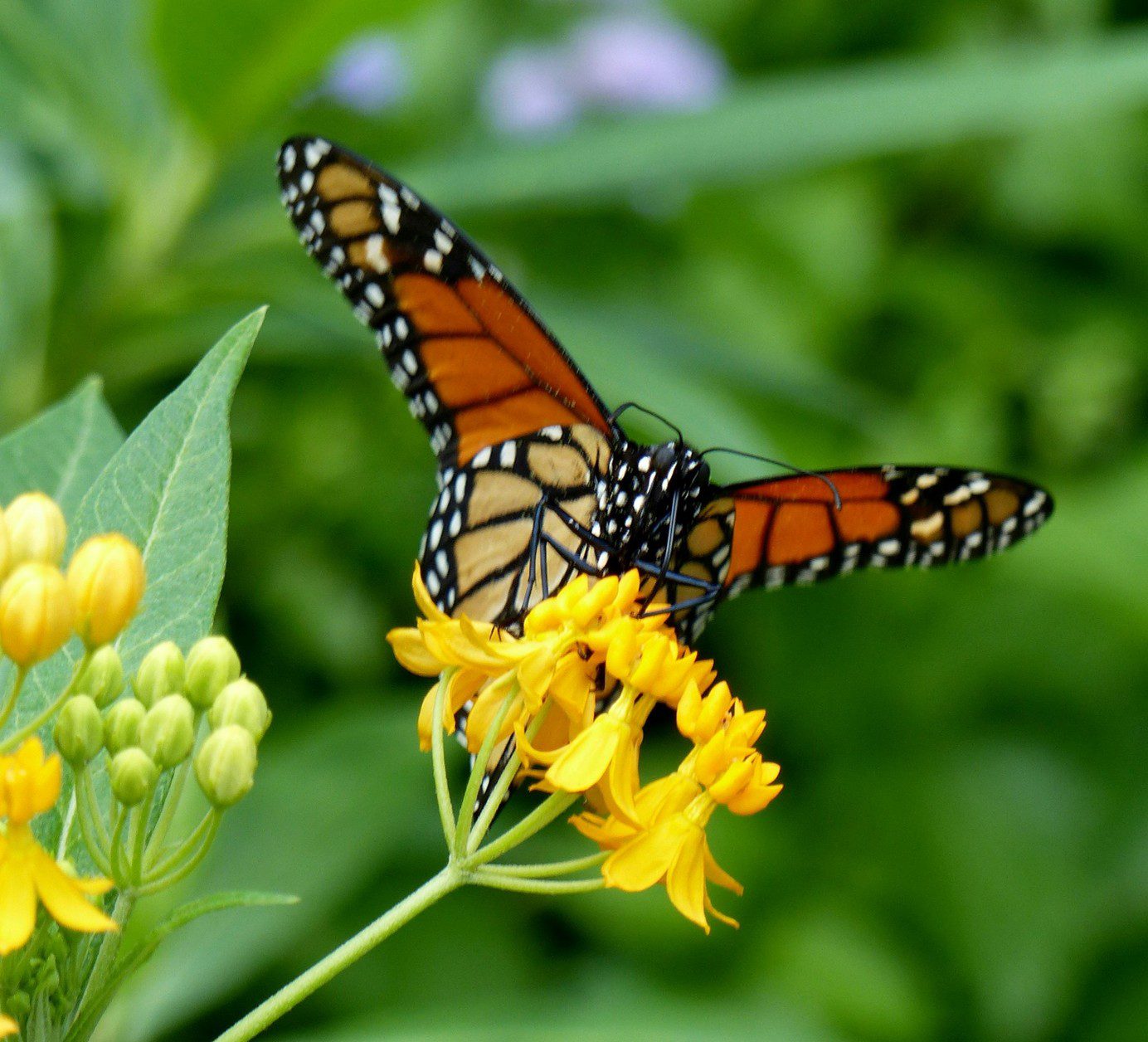
Did you know that various stretches of Iowa highway are being converted into pollinator corridors? A combination of farmers and everyday people turning the strips of land we all drive past every day into a working solution. The monarch butterfly’s epic migration, a journey of up to 3,000 miles from Canada and the northern U.S.…
-
How Costa Rica Regrew Its Lost Forests
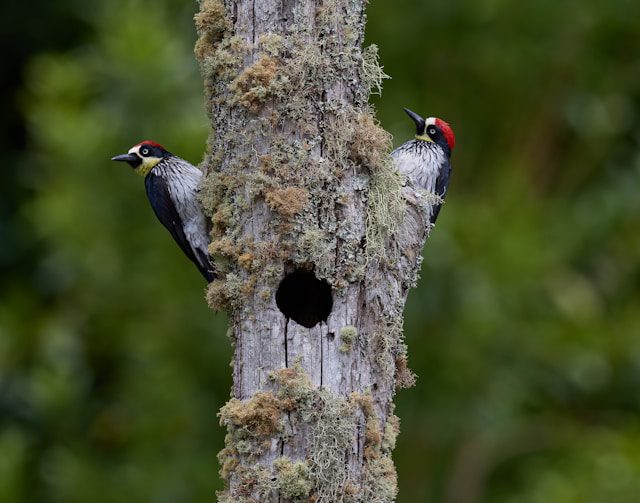
An article on Costa Rica’s reforestation efforts caught my eye when I flipped through a magazine at the mechanic’s recently. It wasn’t a feature spread, just a short column, but the headline made me pause: Costa Rica Doubled Its Forest Cover Since the 1980s. We often hear the news of deforestation dominating the headlines, but…
-
Wolf Reintroduction in Colorado
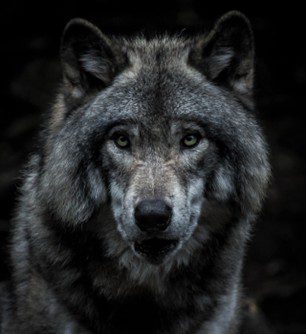
After decades of absence, wolves were brought back to Yellowstone in the 1990s, and the results were nothing short of incredible – elk populations became more balanced, overgrazed landscapes recovered, and even rivers were reshaped due to healthier vegetation along their banks. In the following article, Michael W. Brescia explains how it was a textbook…