
An article on Costa Rica’s reforestation efforts caught my eye when I flipped through a magazine at the mechanic’s recently. It wasn’t a feature spread, just a short column, but the headline made me pause: Costa Rica Doubled Its Forest Cover Since the 1980s. We often hear the news of deforestation dominating the headlines, but here was a rare example of the opposite. A small country, not much bigger than West Virginia, had actually brought its forests back. The headline stuck with me, so I set out to learn more about how they actually made it work.
It wasn’t about viral campaigns or top-down mandates. What I found was a story of real people, farmers making different land choices, foresters reintroducing native species, and a country prioritizing long-term land health over short-term gains. These were practical actions with measurable outcomes. It’s the kind of approach I’d like to see more of across the U.S.
From Forest Loss to Forest Recovery
Costa Rica’s deforestation peaked in the 1970s and early 1980s. Back then, large swaths of land were cleared to make room for cattle and crops. By 1987, only about 21% of the country remained forested. The loss was steep and swift, but so was the response. Instead of pointing fingers or passing blame, locals rolled up their sleeves and started working.
That work came in several forms:
- Reforestation of degraded land
- Financial incentives for landowners to plant trees
- Public-private partnerships focused on forest health
- Protecting watersheds and national parks
What makes Costa Rica’s approach stand out is that it didn’t rely on idealism, it relied on land use practicality. Trees weren’t preserved just for scenery; they were treated as natural infrastructure: protecting soil, regulating water, providing shade for livestock, and even attracting eco-tourism dollars.
Paying Landowners to Protect Trees
One of the smartest programs I’ve come across is Costa Rica’s Pago por Servicios Ambientales (PSA)—translated as Payment for Environmental Services. Launched in the mid-1990s, this initiative pays landowners to plant and maintain forests on their land. It’s much needed compensation for services that forests provide, like reducing erosion, improving water quality, and boosting biodiversity.
While other countries are debating carbon markets and emissions credits, Costa Rica just cut checks to people who kept forests intact or replants them. That simple exchange, money for trees, transformed farming communities into stewards of the land.
The effect? Since the 1980s, Costa Rica’s forest cover has grown from 21% to over 50%. That’s more than double. This happened not through regulation alone, but by aligning landowner incentives with environmental goals.
Real Forestry, Not Just Feel-Good Greenery
Costa Rica’s success also rests in how it approached the science of reforestation. It wasn’t enough to just plant any tree. Restoration focused on:
- Native species like Almendro, Corteza Amarilla, and Cenízaro
- Creating mixed-species forests to build resilient ecosystems
- Avoiding monoculture plantations that don’t support wildlife or soil health
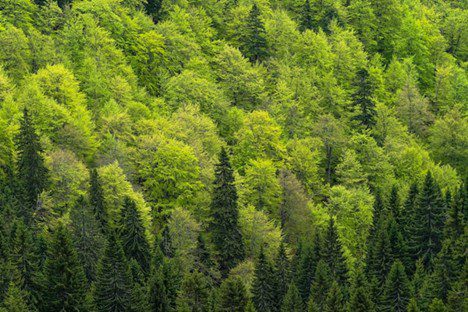
Reforestation teams worked with degraded pastures and cleared hillsides. They tested planting densities, monitored regrowth rates, and adjusted based on results, not theory. I came across a case study from a field team in Guanacaste Province that detailed their efforts to rehabilitate a former cattle ranch. Within five years, canopy cover had returned and stream banks were stabilizing; proof that forests, when thoughtfully planted, can come back fast.
Lessons for the U.S.
Why aren’t we doing more of this here?
All across the United States, we’ve got thousands of acres of fallow farmland, overgrown brush, and poorly managed timberland. With the right approach, we could turn much of it into thriving, multi-use forests that support logging, wildlife, and recreation.
I’d love to see something modeled after Costa Rica’s PSA, where landowners are compensated for maintaining healthy woods, not just for cutting them down.
We’ve already got forestry schools, conservation districts, and cooperative extensions. What we also need is a statewide push that values forests as more than scenery.
Driven By Action
If there’s one thing that separates Costa Rica’s forest recovery from flashy conservation campaigns, it’s that it was driven by on-the-ground decisions and actions. Park rangers, farmers, foresters, and private landowners did the work – not just politicians or donors.
Here are a few key takeaways from their approach:
- Start local. Regional efforts, not sweeping federal directives, were key.
- Pay for outcomes. When landowners benefit financially from forest health, they take it seriously.
- Value the land long-term. Reforestation is an investment, not a cost.
- Track progress. Forest gains in Costa Rica were measured acre by acre, not predicted through computer models.
This model could be replicated anywhere, if we’re willing to make conservation work real and relevant to the people who own and live on the land.
Don’t Wait
Costa Rica didn’t wait for perfect conditions or global consensus to regrow its forests. It identified what was broken, applied local fixes, and made the process beneficial for landowners. Now, it’s enjoying the benefits – clean water, thriving wildlife, and forests that pull people in from around the world.
This isn’t a utopian story. It’s a practical blueprint. And if we’re serious about restoring our own degraded landscapes here in the U.S., we could do worse than take a page from Costa Rica’s playbook.
Why not take this kind of bold, practical action to Upstate New York, the Midwest, the Southeast – anywhere there’s land ready to grow and hands ready to work?
Imagine looking back 20 years from now and saying: We brought our forests back too—not out of panic, but because it was the right thing to do. Because it worked.