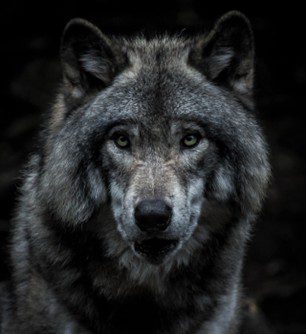
After decades of absence, wolves were brought back to Yellowstone in the 1990s, and the results were nothing short of incredible – elk populations became more balanced, overgrazed landscapes recovered, and even rivers were reshaped due to healthier vegetation along their banks. In the following article, Michael W. Brescia explains how it was a textbook example of how reintroducing a keystone predator can restore ecological balance.
When I heard about the plans to bring wolves back to Colorado, I was immediately intrigued. In my native Pennsylvania and Upstate New York there have been a lot of sightings recently of “coy-wolves”, a mix of coyote and wolf that’s migrated down from Canada, but still no full-blooded wolves have been verified in the wild.
This is conservation at its finest – efforts to rebuild natural ecosystems by restoring a species that had been wiped out by human intervention. While there’s plenty of controversy surrounding the project, one thing is clear: wolves have the potential to play a critical role in Colorado’s mountain ecosystems.
The Role of a Predator
Wolves are what’s known as a keystone species—their presence helps regulate prey populations, which in turn shapes the entire ecosystem. Without them, ecosystems become unbalanced. In the case of Colorado, the unchecked growth of elk and deer populations has led to overgrazing, damaging forests and riparian zones (the areas along rivers and streams).
When wolves are present, they keep prey animals moving rather than allowing them to overbrowse one area, which benefits plant life, soil health, and water systems. Other scavengers, like bears, foxes, and eagles, also benefit from the presence of wolves, as their kills provide food sources that would otherwise be unavailable.
While Colorado is home to other predators like mountain lions and black bears, none play quite the same role as wolves when it comes to regulating large herbivore populations.
The History of Wolves in Colorado
Historically, gray wolves roamed throughout Colorado, thriving in its vast forests, mountains, and plains. However, as settlers moved westward, attitudes toward wolves shifted. They were seen as a threat to livestock, and by the 1940s, aggressive hunting and government-sponsored extermination programs had completely eradicated wolves from the state.
For decades, Colorado’s landscape existed without its top predator. While conservationists have been discussing reintroduction efforts for years, it wasn’t until 2020 that a formal plan was set into motion. In a historic public vote, Coloradans passed Proposition 114, which mandated the return of wolves to the state. Unlike wolf reintroduction efforts in Yellowstone and Idaho, which were federally led, Colorado’s reintroduction is state-driven, making it a unique project in North American conservation.
How the Reintroduction is Happening
Colorado Parks and Wildlife (CPW) has been leading the charge to reintroduce wolves to the Western Slope, an area that includes vast stretches of public land ideal for wolf populations. The plan includes:
Sourcing Wolves from Established Populations – The wolves being released in Colorado are coming from healthy, wild populations in the Northern Rockies, particularly from places like Montana, Idaho, and Wyoming.
Gradual Release Over Several Years – Rather than dropping dozens of wolves into the landscape at once, CPW is introducing small groups over time, allowing the ecosystem to adjust naturally.
Tracking and Monitoring – Each released wolf is fitted with a radio collar, enabling researchers to track their movements, study their impact, and mitigate potential conflicts with livestock owners.
The first group of wolves was released in December 2023, marking the beginning of a new era for Colorado’s ecosystem.
Ecological Benefits
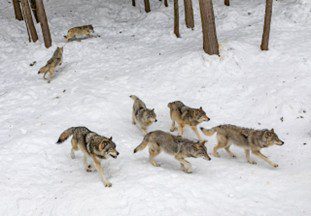
The ecological benefits of bringing wolves back to Colorado are expected to mirror what happened in Yellowstone:
Restoring Balance to Elk and Deer Populations
Without wolves, elk populations in Colorado have grown significantly, leading to excessive grazing in many areas. By introducing natural predation, wolves will encourage elk and deer to be more mobile, allowing vegetation to recover.
Improving River and Stream Health
Overgrazing has damaged riparian zones, leading to erosion and habitat loss for fish, birds, and other species. In Yellowstone, wolves indirectly restored streambanks by preventing elk from lingering too long in one spot, allowing trees and shrubs to regrow.
Strengthening Biodiversity
When wolves are present, scavengers thrive. Animals like bald eagles, foxes, and coyotes benefit from the leftovers of wolf kills, creating a more dynamic and interconnected ecosystem.
Challenges and Controversies
While there’s strong ecological reasoning for reintroducing wolves, the project hasn’t been without opposition.
Concerns from Ranchers
Many ranchers worry that wolves will prey on cattle and sheep, leading to financial losses. While compensation programs exist to reimburse ranchers for livestock lost to wolves, tensions remain high. Some argue that non-lethal deterrents, like fladry (bright flagging that deters wolves) and livestock guardian dogs, can reduce conflicts.
Legal Battles Over Wolf Protections
Wolves remain a federally protected species under the Endangered Species Act, meaning that Colorado landowners cannot legally kill a wolf, even if it threatens livestock. Some groups are pushing for management flexibility, similar to Idaho and Wyoming, where wolf populations are controlled through regulated hunting.
Public Perception and Misinformation
There’s a long history of anti-wolf rhetoric, with many people seeing them as bloodthirsty killers rather than natural predators. Education will be key in shifting public perception and fostering coexistence.
What’s Next for Wolves in Colorado?
As more wolves are introduced to Colorado, researchers will closely monitor their progress to understand how they adapt and integrate into the landscape. One key focus is how wolves establish their territories, as they are highly territorial animals that naturally disperse across large areas. Scientists will also study the impact of wolves on elk populations, particularly whether their presence leads to healthier grazing patterns and a more balanced ecosystem.
Another critical aspect is their interactions with humans and livestock. Researchers aim to assess how frequently wolves come into contact with ranches and explore strategies to minimize conflicts, such as non-lethal deterrents and improved livestock management practices. If the reintroduction goes as planned, Colorado’s wolf population is expected to grow naturally over the coming decades, contributing to a healthier and more ecologically balanced environment.
How You Can Get Involved
If you’re passionate about supporting responsible wolf conservation in Colorado, there are several meaningful ways to make a difference. One of the simplest steps is staying informed by following updates from Colorado Parks and Wildlife (CPW), which provides regular reports on wolf activity, including tracking maps, ecological impact studies, and management strategies. You can also help support conservation organizations such as The Rocky Mountain Wolf Project and Defenders of Wildlife can help advance science-based wolf restoration efforts and promote coexistence strategies between wolves and local communities. These groups work to ensure that wolf populations are restored in a way that benefits the entire ecosystem while addressing concerns from ranchers and residents.
Another impactful way to contribute is by learning and sharing accurate information about wolves. Misinformation remains one of the biggest challenges to wolf recovery, so educating others about the ecological role of wolves—such as their ability to regulate prey populations and promote biodiversity—can help shift public perception and build broader support for conservation efforts. By staying informed, supporting advocacy groups, and spreading factual knowledge, you can play a role in shaping the future of wolf conservation in Colorado.
Time Will Tell
The return of wolves to Colorado is a historic step in restoring the state’s natural balance. These apex predators once played a crucial role in maintaining healthy ecosystems, helping to regulate prey populations and support biodiversity. Their absence for nearly a century has contributed to imbalances in grazing patterns, overpopulation of certain species, and habitat degradation.
While challenges remain – particularly in addressing concerns from ranchers, outdoor enthusiasts, and local communities – science-based management and public education will be key in ensuring this project succeeds. Ongoing research, adaptive policies, and community involvement will help shape a future where wolves can thrive alongside people, livestock, and other wildlife.
By embracing coexistence strategies and fostering informed discussions, Colorado has the opportunity to become a model for responsible wolf restoration, ultimately proving that conservation efforts and human interests can align for the greater good of the environment.