For decades, conservationists have sought to reverse the loss of biodiversity that has defined the modern era. While challenges such as habitat destruction, pollution, and climate change continue to threaten wildlife, there are also inspiring success stories. A growing number of species once teetering on the brink are now making measurable recoveries – proof that sustained conservation efforts, science-based management, and human commitment can make a difference. From majestic predators to tiny birds and marine mammals, Michael W. Brescia explains that the comeback of these species offers hope and valuable lessons about how we steward the natural world.
The Bald Eagle
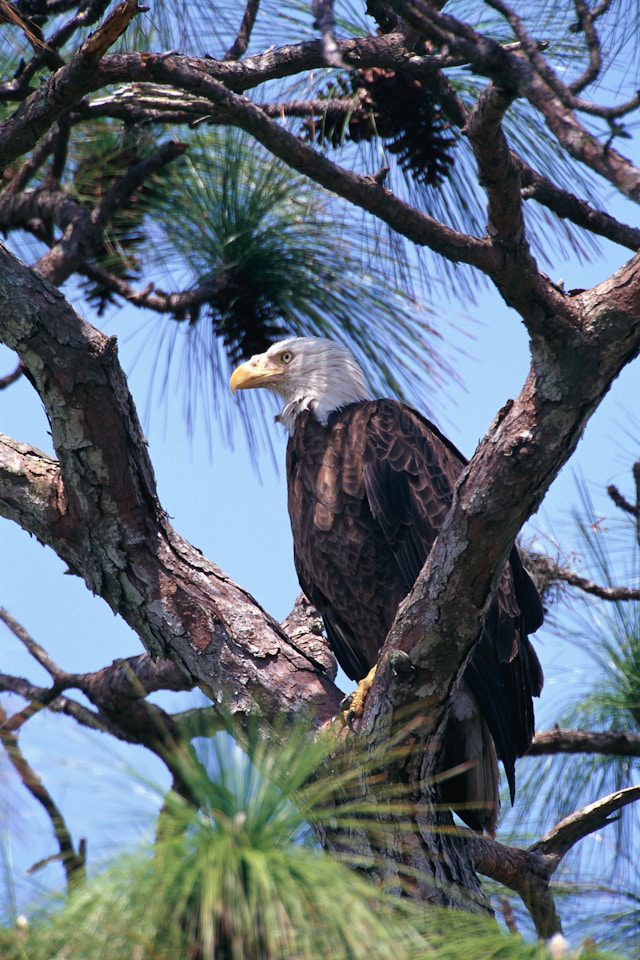
Few conservation success stories are as iconic as that of the bald eagle (Haliaeetus leucocephalus). Once a symbol of American freedom, this bird became a stark emblem of environmental peril in the 20th century. By the 1960s and 1970s, bald eagle populations were plummeting due to the widespread use of the pesticide DDT. The chemical weakened eggshells, causing reproductive failure and triggering steep declines across much of the United States.
In response, the American bald eagle was listed as endangered under the Endangered Species Act (ESA) in 1978. Simultaneously, DDT was banned in 1972, habitat protections were enacted, and targeted nest monitoring and rehabilitation programs were launched. Today, after sustained conservation work, bald eagle populations have rebounded impressively. In 2007, the species was removed from the federal endangered list, and in many areas, bald eagles now thrive. Their success underscores the impact of legal protection, targeted recovery plans, and chemical regulation on species restoration.
The Gray Wolf
The gray wolf (Canis lupus) faced near eradication in the contiguous United States by the mid-20th century due to systematic predator control and habitat loss. Recognized as ecologically essential for regulating prey populations and maintaining balanced ecosystems, wolves became a focal point of recovery efforts beginning in the 1970s.
In the northern Rocky Mountains, federal reintroduction programs in the 1990s brought wolves back to areas of Idaho and Yellowstone National Park. These efforts helped restore ecological processes, such as controlling elk numbers and enabling vegetation recovery in riparian zones. Despite political and social controversy surrounding wolf management, these reintroductions have resulted in the establishment of self-sustaining populations.
More recently, ongoing efforts in the western Great Lakes region have supported growing wolf populations in Minnesota, Wisconsin, and Michigan. The gray wolf’s recovery illustrates the complexities of predator conservation, balancing ecological benefits with the concerns of ranchers, hunters, and rural communities. Nonetheless, the species’ resurgence remains a conservation milestone.
The American Alligator
The American alligator (Alligator mississippiensis) was once imperiled by overhunting for its hide and habitat degradation throughout the southeastern United States. By the mid-20th century, populations had dwindled drastically, prompting state and federal protections.
The alligator was listed under the federal Endangered Species Act in 1967, and hunting was strictly regulated. Combined with sustainable management practices, these protections facilitated a remarkable rebound. Today, American alligators have recovered to the point that they are no longer considered threatened, and sustainable, regulated harvests support both conservation and local economies.
The alligator’s recovery is notable not only for its conservation success but also for how it highlights the value of adaptive management, adjusting regulations and policies in response to ecological feedback, rather than maintaining a fixed approach.
The California Condor
The California condor (Gymnogyps californianus) represents one of the most intensive species recovery efforts in history. By the 1980s, condors in the wild had plunged to alarmingly low numbers, fewer than 30, due to lead poisoning, habitat loss, and microtrash ingestion.
In one of the most dramatic moves in conservation history, all remaining wild condors were captured in 1987 and placed into a captive breeding program. Over decades, scientists, zoos, and government agencies worked collaboratively to breed and raise condors, reintroducing them to the wild in California, Arizona, and Baja California.
While the species still faces significant threats, particularly from lead ammunition exposure, the population has grown steadily thanks to ongoing management, veterinary care, and community partnerships. The condor’s comeback is a testament to what dedicated, long-term conservation with sustained funding and public support can achieve, even under dire circumstances.
The Humpback Whale
Across the world’s oceans, commercial whaling decimated whale populations throughout the 19th and 20th centuries. Humpback whales (Megaptera novaeangliae) were among those greatly reduced by widespread hunting. As large, conspicuous animals with relatively slow reproductive rates, humpbacks were vulnerable to overexploitation.
In 1966, international protections through the International Whaling Commission (IWC) began to limit commercial whaling, and by 1985, a global moratorium on commercial whaling was established. With these protections in place and additional national conservation efforts, humpback populations began to recover. Today, humpbacks are a frequent sight in many coastal waters, from Alaska to Australia, and in some areas have rebounded to near pre-whaling levels. Their resurgence not only reflects the effectiveness of international agreements but also highlights how global cooperation can pave the way for ecological renewal.
The Red Wolf
The red wolf (Canis rufus) tells a more complex story of recovery, one marked by initial success and continuing obstacles. Once native throughout the southeastern United States, the red wolf faced severe decline due to habitat loss, predator control programs, and hybridization with coyotes.
In the 1970s, fewer than a dozen red wolves remained in the wild. Conservationists captured the remaining individuals to form a captive breeding program. In 1987, red wolves were reintroduced into northeastern North Carolina, marking one of the first recovery releases under the Endangered Species Act.
For a time, the North Carolina population grew modestly, and conservationists celebrated this achievement. However, ongoing challenges such as human-caused mortality, habitat fragmentation, and interbreeding with coyotes have complicated the red wolf’s recovery. While localized success exists, the species remains critically endangered, highlighting how conservation is an ongoing struggle that requires vigilance, adaptive management, and support from local communities.
The Peregrine Falcon
Like the bald eagle, the peregrine falcon (Falco peregrinus) suffered dramatic declines in the mid-20th century due mainly to pesticide exposure, particularly DDT. By the 1960s, breeding populations in much of the U.S. had collapsed, and the species became a major conservation priority.
Through a combination of legal protection, pesticide regulation, and captive breeding programs, peregrine falcons began to rebound. State and federal agencies, zoos, and falconry groups participated in reintroduction efforts, placing birds on cliffs, bridges, and skyscrapers, urban features that mimic their natural nesting sites. Today, peregrines are widespread again, and their success is frequently visible in cities where their speed and hunting prowess are celebrated by birdwatchers and urban residents alike.
Other Notable Comebacks and Rising Populations
While the species above are among the most emblematic, numerous others have shown encouraging trends thanks to focused conservation work:
- Gray whales have recovered significantly since being removed from the endangered list, though they still face threats from ship strikes and climate impacts.
- American black bears have expanded their range and increased in numbers across much of their historical habitat.
- Northern elephant seals rebounded from near-extinction in the 19th century to robust populations along the Pacific coast.
- Whooping cranes, once numbering in the dozens, now benefit from captive propagation and managed migrations.
- Marine turtles, including green and loggerhead species, show localized increases where nesting protections are enforced.
Each of these stories reflects a different mix of policy interventions, habitat restoration, species management, and community engagement.
What These Successes Teach Us
The rebound of these species reveals several key principles that are critical for wildlife conservation:
Legal Protection Works
Legislation like the Endangered Species Act and international agreements such as the IWC moratorium have been indispensable tools. Without them, recovery efforts would lack the legal teeth needed to limit harmful activities and protect critical habitat.
Targeted, Science-Based Management Is Essential
Captive breeding, habitat restoration, threat mitigation (such as banning toxic chemicals), and careful monitoring are not generic conservation tactics, they are specific responses informed by research and adaptive management.
Long-Term Commitment Is Required
Wildlife recovery often unfolds over decades. Short funding cycles and shifting political priorities can derail progress. The species that have rebounded did so because conservation was sustained over the long term.
Human Communities Matter
Success is more likely when conservation incorporates the needs and values of local communities. From working lands conservation to conflict mitigation around predators, people and wildlife must coexist for recovery to persist.
Continuing Challenges
Even species that have rebounded face ongoing threats. Climate change, invasive species, industrial development, and pollution continue to exert pressure. American bison, while recovered in numbers, are still genetically and geographically limited. Sea turtles and marine mammals face shifting ocean conditions. Wolves and large carnivores remain contentious in many regions.
Conservation is not a series of final triumphs but a long arc of adaptation and vigilance. The species that have made comebacks serve as reminders that recovery is possible and that deliberate human action can restore ecosystems once considered lost.
Conservation Works But Requires Our Ongoing Commitment
The stories of rebounding wildlife offer powerful evidence that conservation efforts can reverse even severe declines. These successes stem from legislation, science, collaboration, and persistence. As conservationists, policymakers, and citizens look to the future, these examples provide both encouragement and a roadmap: with sustained investment, strategic action, and respect for nature’s resilience, it is possible to restore populations once thought irrecoverable.
The work of conservation is ongoing, but the progress already made reminds us that protecting wildlife is not only a moral responsibility, it is an achievable one. Continued advocacy, habitat protection, and science-based policy will be critical to ensuring that today’s conservation victories endure for generations to come