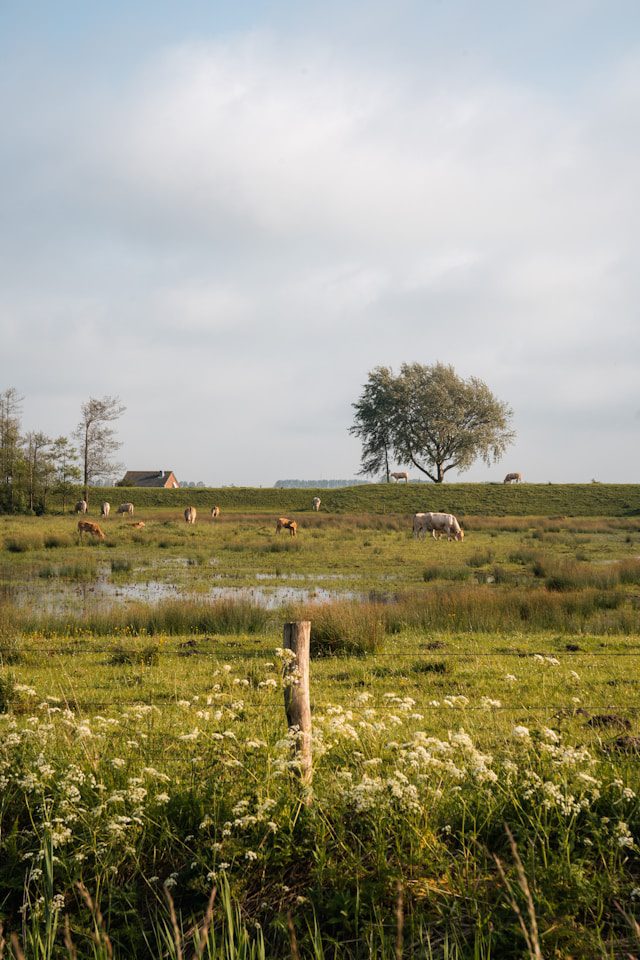
Wildlife conservation often brings to mind national parks, wildlife refuges, and government-protected areas. Yet across North America, farmers and ranchers play an equally critical role in maintaining habitats for a wide array of species. With more than 900 million acres of farmland and rangeland in the United States, private lands make up a significant portion of the continent’s wildlife habitat. How these lands are managed has profound implications for biodiversity, ecosystem health, and the long-term sustainability of agriculture itself. Michael W. Brescia explains that by integrating conservation practices with production goals, farmers and ranchers not only support wildlife but also enhance soil fertility, water quality, and resilience to climate change.
Private Lands as Critical Habitat
While public lands are often highlighted in conservation efforts, private lands, particularly farms, host a significant proportion of wildlife species. Grasslands, wetlands, and riparian zones on agricultural lands provide critical nesting, foraging, and migration corridors. For example, prairie birds, such as the greater prairie chicken and bobolink, rely heavily on privately owned grasslands for breeding. Similarly, small mammals, pollinators, and even larger mammals like deer and elk find refuge on well-managed farmland or ranchland.
These lands often sit in ecological regions fragmented by development, making them even more valuable for maintaining connectivity between habitats. Without private land conservation, many species would struggle to find suitable territory, leading to population declines and local extinctions.
Challenges Faced by Agricultural Landscapes
Agriculture is essential for feeding the global population, but it also poses challenges to wildlife. Intensive monoculture practices, overgrazing, pesticide use, and land conversion can degrade habitat quality and reduce biodiversity. Soil erosion, water runoff, and habitat fragmentation further exacerbate ecological stress.
For ranchers, overgrazing can diminish native grasslands and alter plant composition, affecting the species that depend on them. For farmers, the removal of hedgerows, wetlands, and field margins can reduce habitat for pollinators, songbirds, and amphibians. Balancing production needs with habitat preservation requires intentional planning, knowledge, and, often, access to conservation incentives.
Conservation Practices in Agriculture
Farmers have a variety of tools to promote wildlife habitat while maintaining productive operations. These practices, sometimes referred to as conservation agriculture or sustainable rangeland management, can improve both ecological and economic outcomes.
Rotational Grazing
Rotational grazing involves moving livestock between pastures on a planned schedule, allowing vegetation in previously grazed areas to recover. This practice maintains plant diversity, supports soil health, and creates patchy habitat favorable to wildlife species. For example, ground-nesting birds benefit from areas of short and tall grass that rotational grazing helps maintain.
Cover Crops and Buffer Strips
Planting cover crops after harvest protects soil from erosion, improves fertility, and provides habitat for insects, birds, and small mammals. Similarly, establishing buffer strips along streams and field edges creates corridors for wildlife movement and protects water quality by filtering runoff. These practices enhance the ecological integrity of farmland while also supporting long-term productivity.
Wetland Restoration and Preservation
Wetlands are among the most productive ecosystems on Earth, supporting amphibians, birds, fish, and invertebrates. Farmers who restore or protect wetlands on their property contribute to regional biodiversity and provide essential ecosystem services such as flood control and water filtration. Programs like the Wetlands Reserve Program offer incentives for landowners to participate in wetland conservation, demonstrating how private lands can serve the public good.
Hedgerows and Shelterbelts
Planting trees and shrubs along field edges provides habitat for birds, pollinators, and small mammals. These linear habitats, often referred to as hedgerows or shelterbelts, offer nesting sites, food resources, and protection from predators. Beyond wildlife benefits, they can also reduce wind erosion and serve as natural windbreaks for crops and livestock.
Reduced Chemical Inputs
Minimizing pesticide and herbicide use, or adopting integrated pest management (IPM) strategies, allows beneficial insects, pollinators, and soil organisms to thrive. These species are vital for natural pest control, soil health, and overall ecosystem resilience. Practices such as planting insectary strips or maintaining wildflower margins can bolster beneficial insect populations and support agricultural productivity.
Collaborative Conservation Programs
Recognizing the importance of private lands, federal and state agencies, as well as nonprofit organizations, have developed programs that encourage farmers and ranchers to implement habitat-friendly practices.
Conservation Reserve Program (CRP): Offers financial incentives for landowners to remove environmentally sensitive land from production and plant native vegetation, benefiting wildlife and improving water quality.
Partners for Fish and Wildlife Program (USFWS): Provides technical and financial assistance to restore wetlands, grasslands, and riparian areas on private lands.
Landowner Incentive Programs: Many states provide grants or technical support for habitat restoration, fencing, or management practices that promote wildlife diversity.
These programs highlight a collaborative model in which conservation is integrated with economic incentives, demonstrating that habitat preservation and agricultural productivity are not mutually exclusive.
Success Stories
Several case studies illustrate how proactive land management can make a measurable difference:
- In the Great Plains, ranchers implementing rotational grazing and prairie restoration have supported populations of greater sage-grouse and grassland songbirds.
- In the Midwest, farmers participating in the CRP have restored thousands of acres of native prairie, providing habitat for pollinators, pheasants, and small mammals.
- In California, vineyard owners integrating hedgerows and cover crops have seen increased native bee populations, enhancing pollination and crop yield while supporting biodiversity.
These examples demonstrate that wildlife habitat preservation can coexist with productive agriculture when intentional practices are applied.
The Broader Impacts of Private Land Conservation
When implementing habitat-friendly practices, the benefits extend beyond individual species. Healthy ecosystems on private lands contribute to watershed health, soil fertility, pollination services, and carbon sequestration. They also provide resilience against climate variability, such as drought or extreme storms, by maintaining plant diversity and soil structure.
Moreover, private land conservation has a cultural and educational impact. By showcasing sustainable practices, farmers and ranchers serve as community leaders, demonstrating that stewardship and production can go hand in hand. These practices also foster public appreciation for the critical role that private lands play in preserving North America’s natural heritage.
Challenges and Opportunities
Despite the clear benefits, barriers remain. Conservation practices often require initial investment, specialized knowledge, and ongoing management. Some farmers face economic pressures that prioritize short-term production over long-term habitat restoration. Additionally, land tenure and fragmentation can complicate conservation planning.
Yet opportunities exist. Increased awareness of ecosystem services, market incentives for sustainable products, and community-supported agriculture programs can encourage habitat-friendly practices. Technological advances, such as precision agriculture and remote sensing, allow farmers to optimize production while minimizing environmental impacts.
Conservation Partners
Farmers and ranchers are essential partners in wildlife habitat preservation. Their decisions regarding land use, grazing, crop selection, and management practices have far-reaching effects on biodiversity, water quality, and ecosystem resilience. By adopting conservation-minded strategies, such as rotational grazing, wetland restoration, cover cropping, and reduced chemical inputs, agricultural producers can create landscapes where wildlife thrives alongside productive farms and ranches.
Collaborative programs between private landowners, government agencies, and conservation organizations amplify these efforts, demonstrating that effective conservation requires both science and partnership. Protecting North America’s wildlife depends not only on public lands but also on the stewardship choices of those who manage the majority of the continent’s landscapes.
Through intentional, informed management, farmers and ranchers can ensure that their lands serve a dual purpose: sustaining human livelihoods while safeguarding the natural habitats that support the continent’s rich biodiversity. The conservation legacy of private lands is not only a testament to environmental responsibility but also a strategic investment in the long-term health of both agriculture and the ecosystems upon which it depends.