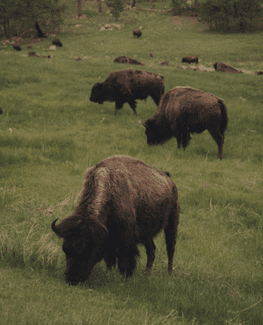
“I first became aware of the effort to reintroduce bison to the American prairie while reading about some conservation initiatives taking place in South Dakota. Initially, I thought it was simply a cultural project – reintroducing an animal with historical significance. However, this is actually a comprehensive ecological restoration effort, one with profound impacts on the land, local economies, and the future of conservation in the U.S.” – Michael Brescia
Bison, or buffalo, once roamed North America by the millions, shaping vast grassland ecosystems through their grazing patterns. Their near-extinction in the 19th century – due to overhunting and habitat destruction – was not just a tragedy for the people who relied on them, but also for the health of the prairies. Today, thanks to a combination of initiatives, private ranchers, and conservation organizations, bison are making a comeback, restoring balance to ecosystems that have long been out of sync.
Why Bison Matter to the Prairie
Many people don’t realize that bison are a keystone species, meaning their presence significantly impacts and improves their environment. Unlike cattle, which tend to overgraze in a uniform manner, bison move in large herds, naturally rotating their grazing areas. This promotes plant diversity, prevents soil erosion, and encourages the growth of native grasses. Their hooves churn up the soil, helping to aerate it, and their wallowing behavior (rolling in dirt to rid themselves of pests) creates depressions in the land that collect water, benefiting other wildlife.
When bison disappeared, the landscape suffered. Without their presence, invasive plant species took over, native grasses dwindled, and ecosystems lost their natural resilience. Their return is not just about restoring an iconic species—it’s about bringing life back to America’s grasslands.
Bison Restoration Efforts
Some of the most exciting and successful bison restoration projects are being led by conservation groups and private landowners across the country. These initiatives are carefully planned, considering factors such as habitat size, herd management, and genetic diversity to ensure long-term sustainability.
Conservation Organizations Leading the Charge
The American Prairie Reserve (APR) in Montana is one of the most ambitious projects out there. Their goal is to create a fully functioning prairie ecosystem spanning 3.2 million acres, with bison at the center of it all. I visited their headquarters a few years back and was blown away by the scale of their vision. Unlike traditional cattle ranching, APR is using bison to regenerate the land, bringing back native grasses and improving soil fertility.
Another notable effort is the National Bison Range (NBR) in Montana, one of the earliest federally managed conservation areas for bison, established in 1908. This 18,800-acre refuge was created to provide a safe habitat for the species at a time when their numbers had dwindled to near extinction. Over the years, NBR has played a critical role in maintaining genetic diversity and providing a model for sustainable bison management. Today, the range continues to support a healthy bison population while also serving as a sanctuary for other native wildlife, including elk, deer, and a variety of bird species. Visitors to NBR can witness firsthand the impact of conservation efforts and learn about the ongoing work to ensure bison remain a thriving part of America’s natural landscape.
I also recently read about a project in Kansas, where The Nature Conservancy is working with private landowners to restore bison to the Tallgrass Prairie National Preserve. This is especially exciting because less than 4% of America’s original tallgrass prairie remains intact, making this one of the most endangered ecosystems in the country. This project serves as an important educational resource, allowing visitors to witness the relationship between bison and the prairie firsthand while highlighting the importance of preserving these fragile ecosystems for future generations.
The Economic and Ecological Benefits of Bison Restoration
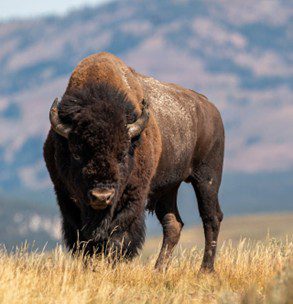
Beyond the ecological benefits, it also has economic advantages. Many ranchers and conservationists alike are recognizing the benefits of bison over traditional cattle ranching. Bison are hardier animals, requiring less veterinary care and better adapted to the harsh conditions of the prairie. They also have a lower impact on the land, making them a more sustainable choice for long-term grazing.
I’d love to see a push for more bison herds throughout the United States, where grasslands and farmland could benefit from similar restoration efforts. While bison restoration has largely been focused on the Great Plains, there’s no reason why smaller-scale projects couldn’t take root in other parts of the country.
How You Can Support Bison Restoration
If you’re as fascinated by this cause as I am, there are plenty of ways to get involved:
Visit Bison Restoration Sites – Yellowstone National Park (I went there in 2019), the American Prairie Reserve, or a tribal-run herd, visiting these sites helps support ongoing conservation efforts.
Donate to Conservation Groups – Organizations like the InterTribal Buffalo Council, American Prairie Reserve, and The Nature Conservancy are doing vital work in this space. Every dollar helps fund land restoration, herd expansion, and sustainable ranching programs.
Educate Others – Most people have no idea about the role bison play in prairie ecosystems. Share what you’ve learned with friends and family and encourage them to support bison-friendly initiatives.
Things Are Looking Pretty Good
The return of the bison is one of the most inspiring conservation success stories happening right now. What started as a desperate attempt to save an endangered species has grown into a widespread movement to restore America’s prairies. Thanks to the leadership of conservationists, forward-thinking ranchers, and private landowners, we are witnessing a revival of both the land and the ecosystems that depend on it.
This is not just a feel-good story about saving a species – it’s a testament to the power of responsible land stewardship, practical conservation, and the ability of people to work together toward a common goal. I hope to see this movement expand even further in the coming years, bringing bison back to more parts of the country and revitalizing the landscapes that depend on them.
If you haven’t looked into bison restoration before, now is the time. This is one of those rare conservation efforts where real, tangible results are happening on the ground – and it’s only getting better.